Blocked drains – causes, fixes and when to call a plumber
A drain that runs slowly or is completely blocked is both unpleasant and risky. Here we go through common causes, what you can try yourself, when you need a professional and what to ask the company.
By the Fixtorget editorial team · Updated 8 November 2026 · 4 min read
Common causes of blockages
Blockages are usually caused by something getting stuck or building up in the pipe over time.
- Fat and food waste in the kitchen drain that solidifies in the pipes.
- Hair and soap residue in shower and bathroom drains.
- Wet wipes, sanitary towels and other things that do not belong in the toilet.
- Roots penetrating old underground pipes.
- Subsidence or damage to pipes causing water to stand.
What you can do yourself
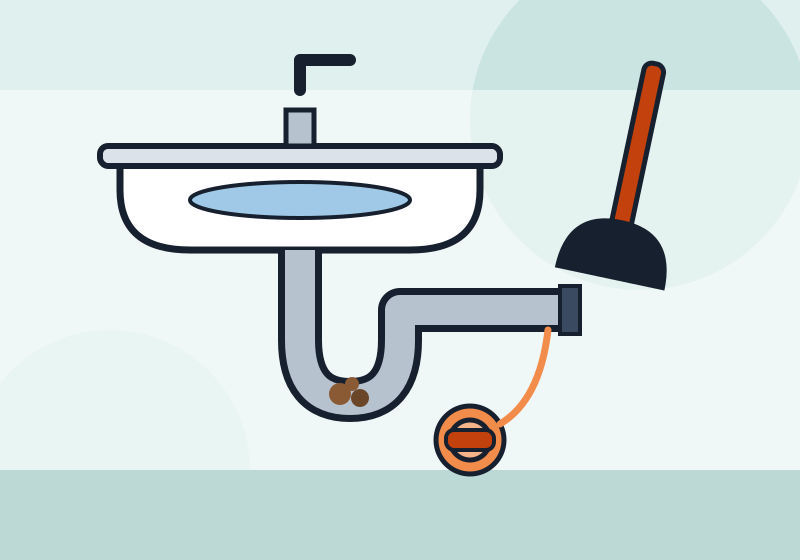
With a simple blockage in a washbasin or trap you can often solve the problem yourself: clean the trap, use a plunger or a simple drain snake. Be careful with chemical drain cleaners – they can damage old pipes and are dangerous to skin and eyes.
If water comes up through the floor drain, several drains are blocked at the same time or there is a strong smell from the drain, it suggests a blockage further down the system. In that case you should avoid using water and contact a company.
How a professional clears the drain
A plumbing or drainage company uses mechanical cleaning with a rotating spiral or high-pressure jetting. With recurring blockages it can be wise to have the pipe filmed, a so-called pipe inspection, to see whether there are roots, subsidence or cracks. The inspection provides a basis for deciding whether the pipe needs repairing, relining or replacing.
If you live in a block of flats, the property owner or housing cooperative is often responsible for the risers, while you are responsible for the pipe up to the riser. Contact the property manager first if the blockage may be in a shared pipe.
What affects the price?
The cost depends on where the blockage is and how hard it is to reach. Ask for a quote or clear information on the hourly rate and what is included.
- Whether the blockage is close to the drain or far down the underground pipe.
- Method: manual cleaning, mechanical cleaning or high-pressure jetting.
- Whether a pipe inspection is needed.
- Emergency call-outs in the evening and at weekends.
- Access to rodding eyes and inspection chambers.
ROT deduction
Cleaning and repairing drains in a home you own can qualify for the ROT deduction of 30 % of the labour cost. Materials and call-out charges do not qualify. ROT and RUT combined may not exceed SEK 75,000 per person per year, of which at most SEK 50,000 may be ROT. Emptying a septic tank does not count as ROT. If you are unsure whether a particular task qualifies, check with Skatteverket (the Swedish Tax Agency).
What the quote or information should include
- Hourly rate or fixed price, and whether call-out charges apply.
- Which method will be used and whether a pipe inspection is included.
- What happens if the blockage cannot be cleared straight away.
- Whether documentation from the inspection is provided.
- Labour, materials and ROT deduction shown separately.
Through Fixtorget the company can send a cost specification that you approve. If it turns out the pipe needs repairing, this can be added with a supplementary specification that you approve before the work is done.
Questions to ask and common mistakes
- Do you have equipment for mechanical cleaning and pipe inspection?
- Can you explain the cause of the blockage afterwards?
- Do you have liability insurance?
Common mistakes include pouring large amounts of chemicals into the drain, continuing to shower or do laundry while the floor drain overflows, and clearing the drain again and again without finding out the cause. Prevent blockages by not pouring fat down the sink, using strainers and never flushing wet wipes.
If waste water has come up onto the floor, the area should be cleaned and dried thoroughly, and with larger amounts it may be a good idea to contact your insurer. Document it with photos. If the blockage keeps coming back despite clearing, it is a sign that something is wrong with the pipe itself, and then it is better to fix the cause than to pay for new clearances every year.
Getting help through Fixtorget
Describe where the blockage is and how it shows itself when you post your request – it is free. Up to four vetted companies can contact you. In the case of an acute leak, shut off the water first; also read our guide to emergency plumbing leaks.
Frequently asked questions
Is it dangerous to use chemical drain cleaner?
It can damage older pipes and is corrosive. Always follow the instructions, and preferably avoid it if you do not know what is causing the blockage.
Who is responsible for a blockage in a flat?
You are often responsible for the pipe in the flat up to the riser, while the cooperative or landlord is responsible for the riser. Check the statutes or your tenancy agreement.
Why should the drain be filmed?
A pipe inspection shows why the blockage occurred, for example roots or subsidence, and provides a basis for the right fix instead of repeated clearances.
Do I get the ROT deduction for drain clearing?
Clearing drains in a home you own can qualify for the ROT deduction on the labour cost. Septic tank emptying does not qualify.
This information is general and may change. Always check the current rules with the relevant authority, for example Skatteverket, Elsäkerhetsverket or Transportstyrelsen.
Get quotes from companies near you
Describe the job in a few minutes – free and with no obligation.
Post a job